The 'long distance suitability' is a 5-star rating that indicates how suitable a vehicle is for long trips. The rating is based on the 1-Stop Range: the total distance a vehicle can cover with one charging stop of 15 minutes.
† This can only be achieved using a 3-phase grid connection. The majority of homes and charge points do not have this connection. In practice charge power will often be 7.4 kW, allowing for a charge time of 9h45m and a charge speed of 24 mph.
Rated = official figures as published by manufacturer. Rated consumption and fuel equivalency figures include charging losses.
Vehicle = calculated battery energy consumption used by the vehicle for propulsion and on-board systems.
NOTE: The fuel equivalency figures are shown in IMPERIAL MPG. Figures in US MPG will differ significantly.
Indication of real-world energy use in several situations. Cold weather: 'worst-case' based on -10°C and use of heating. Mild weather: 'best-case' based on 23°C and no use of A/C. For 'Highway' figures a constant speed of 70 mph is assumed. The energy use will depend on speed, style of driving, climate and route conditions.
* = estimated value. Average energy consumption and range based on moderate drive style and climate. Real-life values may differ significantly. Pricing information might not be actual for some regions. No rights can be derived from the information on this site.
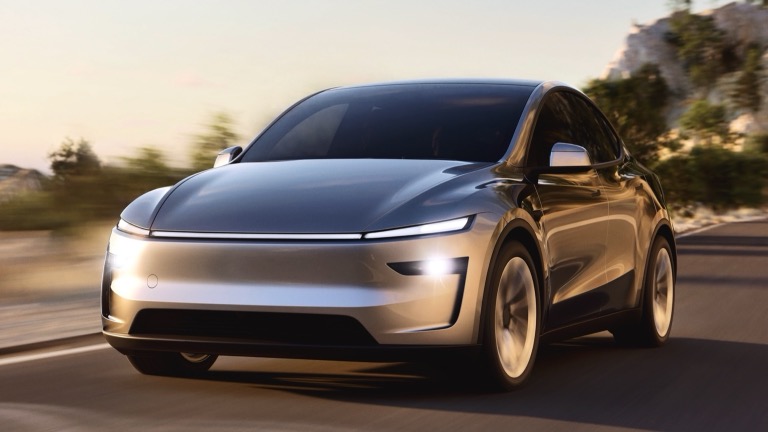
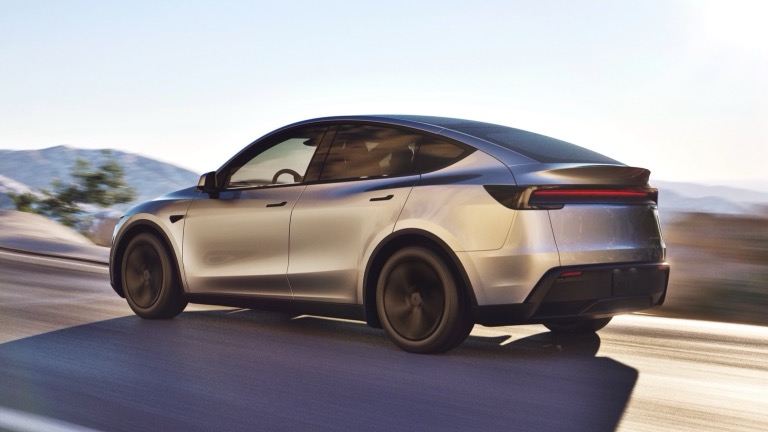
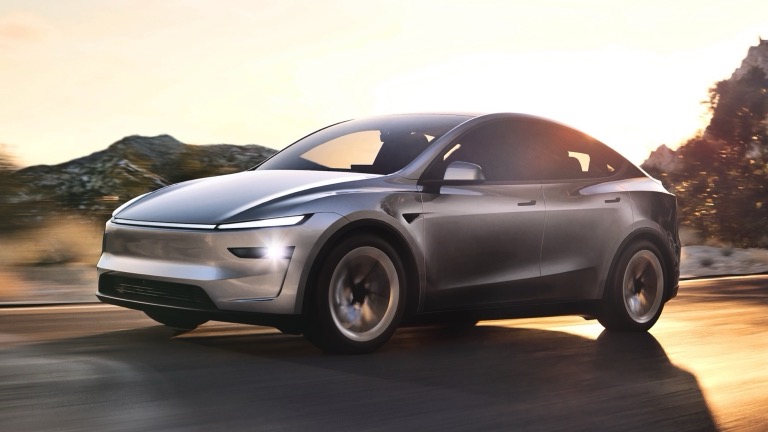
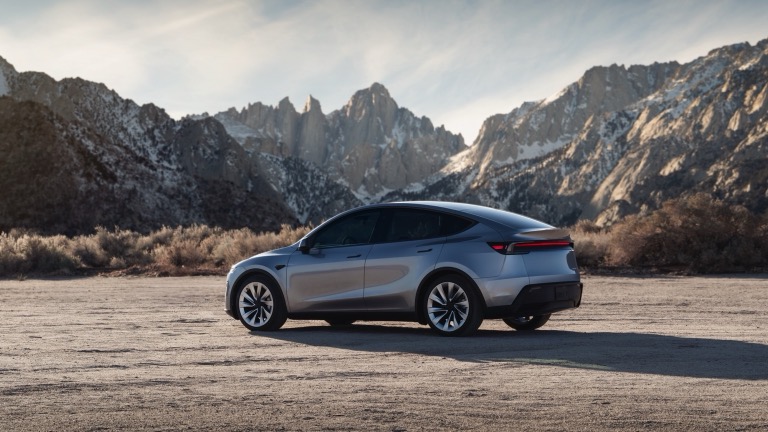
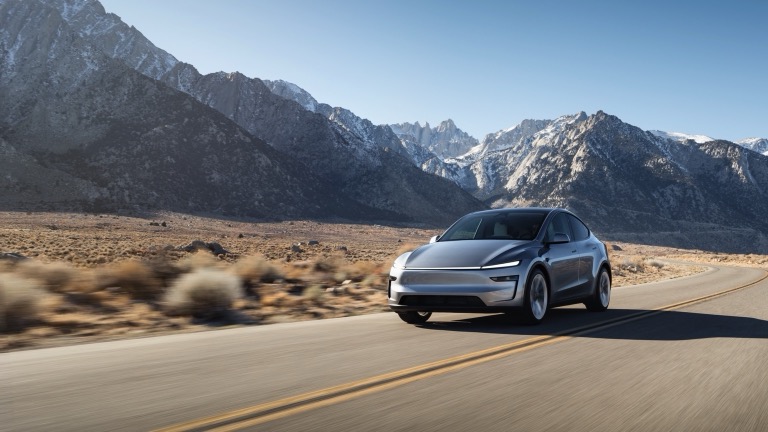
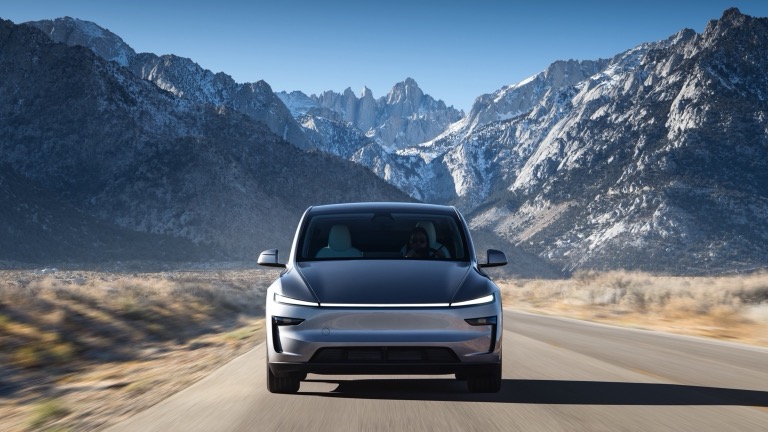
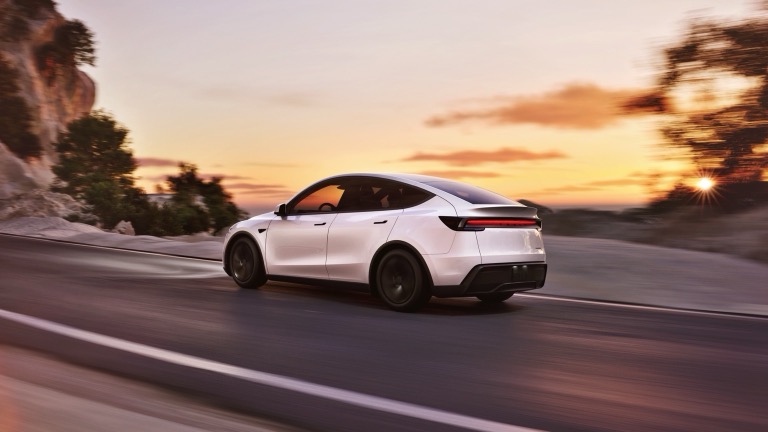
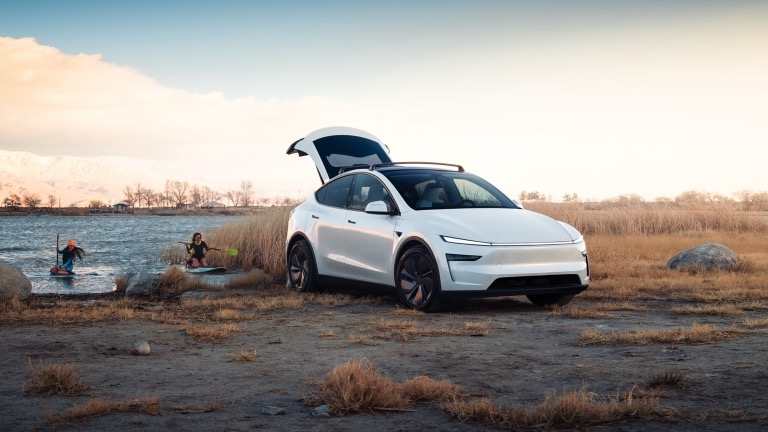
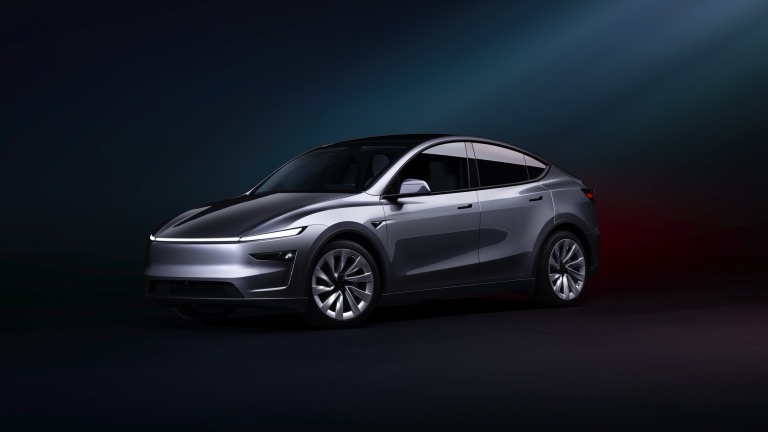
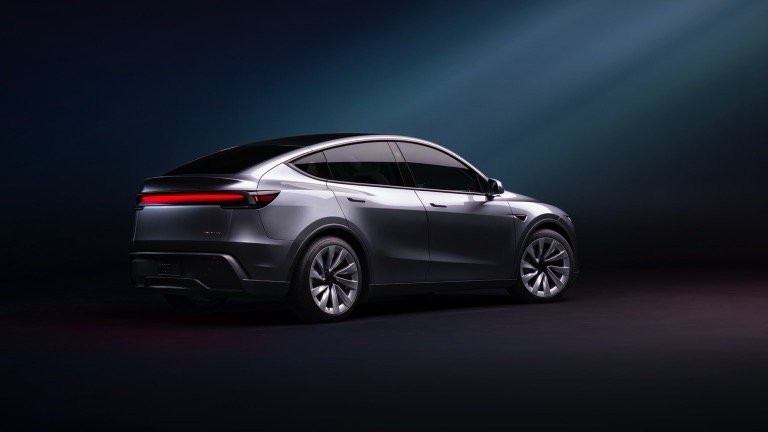
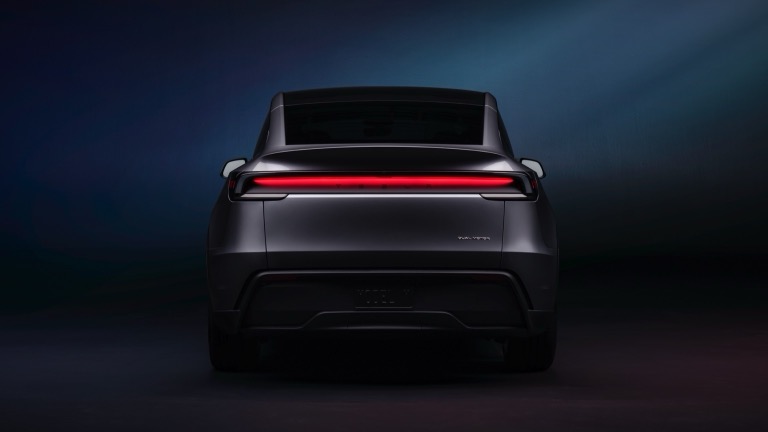
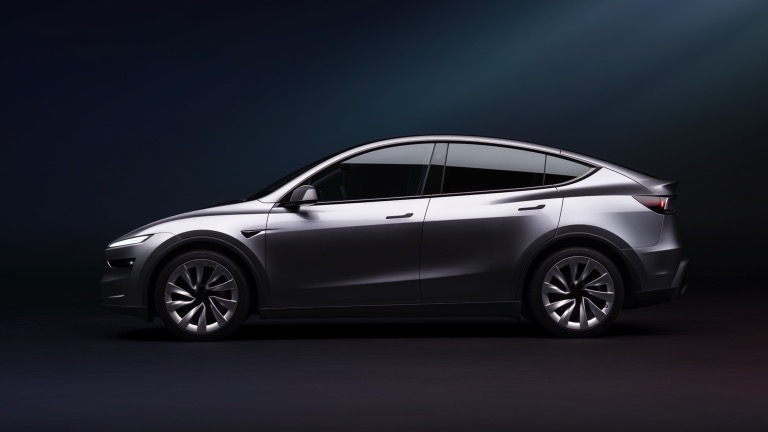
All about the Tesla Model Y RWD
No longer available
This electric vehicle is no longer in production and not available to buy new. The Tesla Model Y RWD was available from February 2025 until December 2025. Financial data like price, leasing and company car tax were applicable to the final year of availability of the Tesla Model Y RWD.
A new model of the Tesla Model Y RWD (2025) is available: Tesla Model Y RWD (2025).
Pricing
The Tesla Model Y RWD had a Recommend Retail Price (RRP) of £44,000 and an On The Road Price (OTR) of £44,990. The OTR Price includes VAT, first year of VED, vehicle first registration fee, number plates and delivery.
Drivetrain and Performance
The Tesla Model Y RWD is a full electric vehicle (BEV). The estimated maximum power of the Tesla Model Y RWD is 220 kW (295 hp). The estimated maximum torque is 310 lb-ft. The Tesla Model Y RWD is rear wheel drive and can accelerate from 0 to 62 miles per hour in 5.9 seconds. The top speed is 125 mph.
Battery and Charging
The battery of the Tesla Model Y RWD has an estimated total capacity of 64 kWh. The usable capacity is 60 kWh (estimate). An estimated range of about 230 miles is achievable on a fully charged battery. The actual range will however depend on several factors including climate, terrain, use of climate control systems and driving style.
For example: sustaining high speeds in cold weather could result in a range of around 165 mi. However, driving at low speeds in mild weather will increase the range to around 340 mi.
Charging is done using a Type 2 connector and the on-board charger has a maximum power of 11 kW. This charges a fully depleted battery back to full in around 6 hours 30 minutes. However, a 3-phase grid connection is needed to achieve this. The majority of homes and charge points currently do not have this connection. In most cases the maximum charging power will be 7.4 kW, allowing for a charge time of 9 hours 45 minutes and a charge rate of 24 mph. Charging the car using a regular wall plug will take around 30 hours 45 minutes.
Rapid charging is possible through a CCS Supercharger connection (expected). The maximum rapid charge power is 175 kW. The battery can't be charged continuously at this power. In an average rapid charge session the average charge power will be around 110 kW. This charges the battery from 10% to 80% in around 25 minutes. A rapid charge like this will add about 160 miles of range.
Energy Consumption
The estimated combined (motorway and city) energy consumption of the Tesla Model Y RWD is about 261 Wh per mile. By comparison, this energy consumption is the equivalent of a fuel consumption of 155 mpg in a traditional petrol car.
The actual energy consumption will depend on several factors including climate, terrain, use of climate control systems and driving style. For example: sustaining high speeds in cold weather could result in an energy use of around 364 Wh per mile. However, driving at low speeds in mild weather will increase the efficiency to about 176 Wh per mile.
CO2 Emission
The Tesla Model Y RWD emits no CO2 during driving. This only includes direct emissions from the vehicle itself. The energy needed to charge the battery might have been (partly) generated by the use of fossil fuels. Vehicles with an internal combustion engine will always emit CO2 during driving. Additionally, CO2 is emitted during the production and transport of fossil fuels.
Preceding model
The model shown on this page is the successor of the Tesla Model Y RWD (CATL 6L), which was available to order from November 2022 until October 2024.
The previous model was similar price, had 20 mi less range, 17% slower acceleration and was 4% less energy efficient.
 Preceding model Tesla Model Y RWD (CATL 6L)
Preceding model
The model shown on this page is the successor of the Tesla Model Y RWD (BYD 7C BLADE), which was available to order from November 2022 until October 2024.
The previous model was similar price, had 20 mi less range, 17% slower acceleration and was 4% less energy efficient.
Preceding model Tesla Model Y RWD (BYD 7C BLADE)

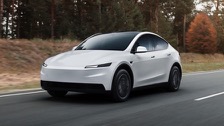 Tesla Model Y RWD